




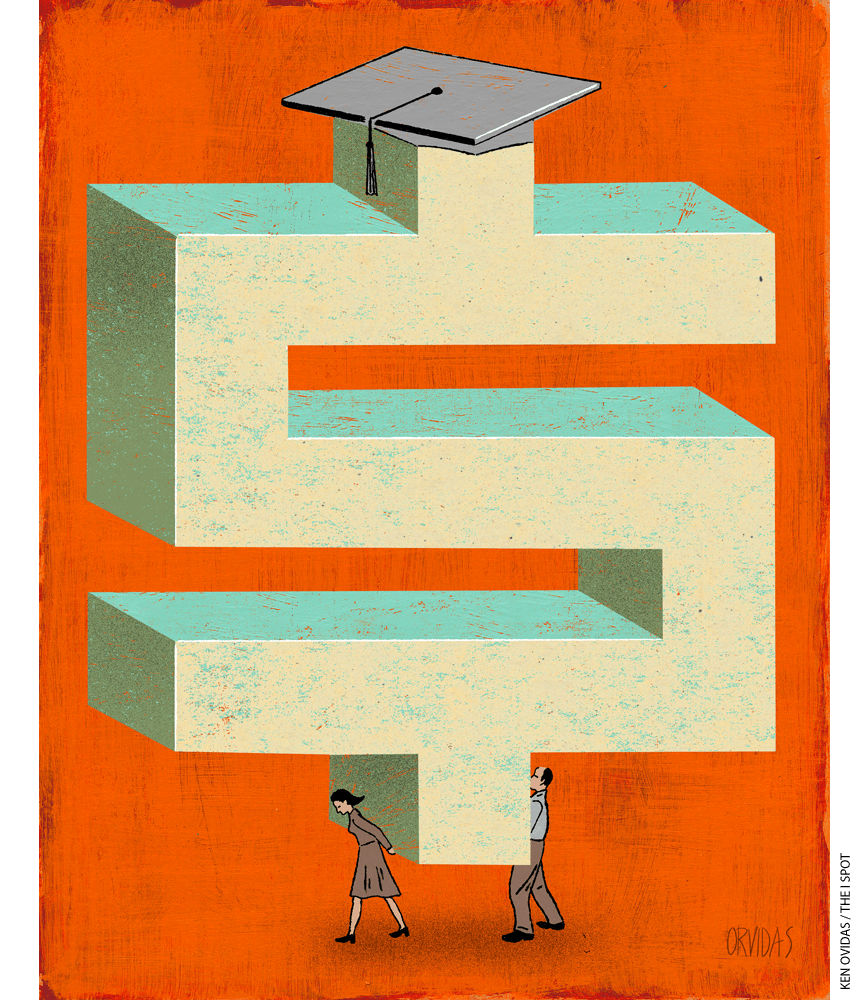
In the 1990s and 2000s, school choice advocates pushed states to enact voucher, scholarship, and charter school programs to help more families access alternatives to their local public school. Then, in 2011, Arizona created the first Education Savings Account program, which let parents use public funds for an array of educational products and services beyond private-school tuition.
More than a dozen states now offer ESAs for general-education students; three others offer them for special education students. Many choice supporters applaud ESAs’ potential to promote an “unbundled” mix-and-match approach to education and how they unlock new options like hybrid homeschooling. Others, though, worry about the potential for waste, fraud, and abuse and bemoan the move away from creating a more pluralistic system of high-quality schools.
What do ESA supporters see as the key advantages of offering such flexible spending accounts over traditional vouchers? How can policymakers address concerns about waste, fraud, and abuse? For ESA skeptics, what are the main downsides of the shift from promoting vouchers or charters to ESAs?
Education Next invited three experts to weigh in: Katherine Bathgate, a senior adviser with EdChoice and the CEO and co-founder of SchoolForward; Alisha Thomas Searcy, co-founder and CEO of the Center for Strong Public Schools and a former Georgia state legislator; and Ashley Rogers Berner, director of the Johns Hopkins Institute for Education Policy.
The Tools to Build Your Own Education
by Katherine Bathgate

“Why is it sensible for a child to get all his or her schooling in one brick building? . . . Why not let them spend part of a voucher for math in one place and English or science somewhere else?” Milton Friedman presciently asked in 2002. “Why can’t a student take some lessons at home, especially now, with the availability of the Internet?”
Today, thanks to Education Savings Accounts, they can.
I have no illusions that ESAs offer a silver bullet for the country’s K–12 education woes. Nothing in education reform will likely ever do that. But we owe it to the youth of today and tomorrow to try everything we can to maximize their chances of academic and subsequent life success. ESAs simply deliver the newest iteration of school choice—one that has already shown great promise over a short time.
We admittedly do not yet have enough data about academic outcomes, but ESAs are widely popular among parents. New data from a 50CAN poll of over 20,000 parents show that they now favor ESAs over charter schools, with ESAs surpassed in popularity only by free tutoring and summer camps. With 77 percent of parents favoring ESAs, the message is clear: Parents are no longer satisfied with choosing a different “box” school; they want the tools to build their own.
And who can blame them? The world is changing, and ineffective one-size-fits-all education systems are decreasing in popularity by the day.
For decades, the school choice movement lived in the realm of the aspirational. We were the underdog, fighting to free children from their zip codes and give them a chance at a better life. In the 1990s and 2000s, traditional vouchers and scholarships funded through tax credits provided our primary tools. Charter schools also came on the scene and had a remarkable impact.
In 2026, choice isn’t aspirational anymore; it is reality. In states like Arizona and Florida, more than 10 percent of students are using a private-school choice program.
Beyond the Bundle
To understand why ESAs are the right choice, we must understand the limitation of a voucher as a funding mechanism. Traditional vouchers operate on an industrial-era “bundled” model. You take a lump sum of taxpayer-funded dollars and hand it to a single institution. That institution then provides the curriculum, the teachers, the sports, the social environment, and the specialized services.
ESAs facilitate the “unbundling” of schooling (see “The Great Unbundling,” features, Fall 2023). They allow parents to customize their child’s educational experiences—mixing and matching curriculum, specialized therapies, part-time coursework, and tutoring. If a child needs a reading intervention that a private school doesn’t offer but a local tutor does, a voucher leaves that parent stranded. An ESA empowers them. This isn’t just a policy tweak. It signifies a fundamental shift in the power dynamic—one that puts families rather than institutions in control.

Student Outcomes . . . or the Lack Thereof
The decline of the traditional industrial school model underscores the urgency of the ESA movement. For years, we spoke of stagnation in student outcomes. Today, the data reveal a collapse.
According to results on the 2024 National Assessment of Educational Progress (NAEP), American students are testing at or near historic lows. For high school seniors, the results are devastating. Roughly 45 percent of 12th graders scored “below basic” in mathematics, and reading scores matched their lowest point on record. Perhaps most damning is the widening of achievement gaps across all tested grade levels. While the performance of the top 10 percent of test-takers has remained steady, results of the bottom quartile have plummeted, suggesting that the traditional “safety net” of public education is frayed beyond repair.
Public trust has followed these scores down. A 2025 Gallup poll found that satisfaction with the quality of K–12 education in the United States has hit a record low of 35 percent. Nearly three in four Americans believe the system is headed in the “wrong direction.”
Notably, these declining results have all happened despite the top-down “accountability” systems that we have in place for public schools. All the school rating systems and testing mechanisms we’ve established have done little to prevent the downward trend in student outcomes. At best, these mechanisms have transparently shown us where and how we are failing so many students. That information may have value, but it doesn’t provide accountability. True accountability would require doing something about those declining outcomes.
As policymakers consider the best way to oversee ESAs, this distinction between transparency and accountability matters. The systems used to hold public schools accountable have not led to better outcomes for students. It’s not likely that applying those same systems to ESAs would produce a different result. ESA programs should protect against fraud and misuse, but they should not recreate the layers of institutional micromanagement that have failed the traditional system. Their strongest form of accountability occurs more directly: Parents can leave a provider that is not serving their child and take their education dollars elsewhere.
The K–12 Revolution
While the traditional system struggles, we are witnessing a “K–12 revolution”—a vibrant explosion of new education models that prioritize personalization over standardization. From homeschooling and hybrid options to microschooling and virtual learning opportunities, every year more families choose unconventional schooling.
Hybrid models have become one of the fastest-growing sectors in American education. Microschools now serve approximately two million students. ESAs have improved access to these options. The National Microschools Center reports 38 percent of microschools now receive public funds from state school choice programs.
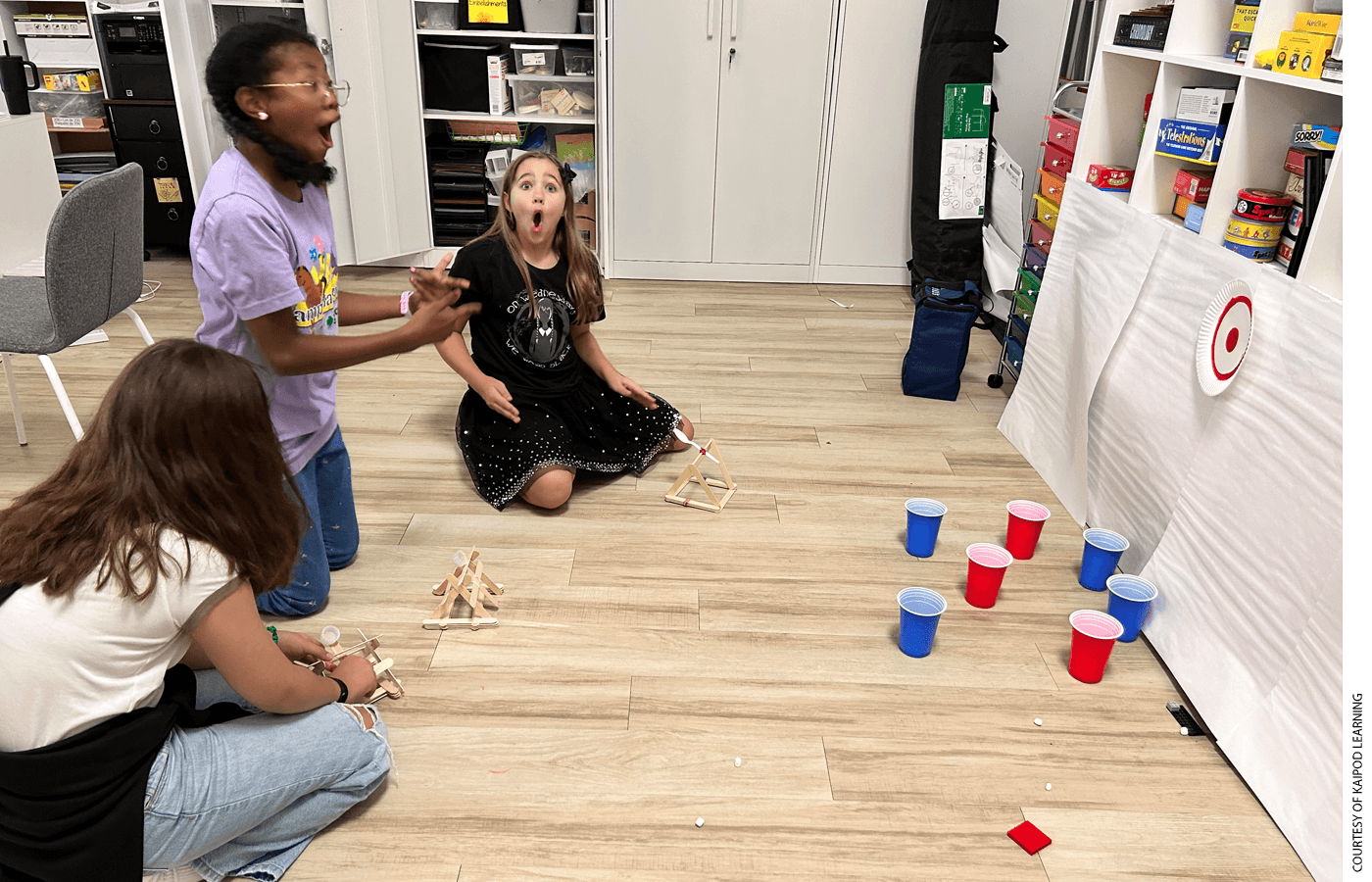
The early data on these models, while mostly self-reported by school operators, are compelling. Eighty-one percent of microschools that track academic growth data over time report students achieving one to two years of growth in a single year; 16 percent boast two to three years of growth in one year. KaiPod—the largest microschool network in the country—has families reporting a 93 percent satisfaction rate—almost 20 percent higher than parent satisfaction in public schools. Their families aren’t just looking for better test scores; they cite flexible schedules, small class sizes, and meaningful parental involvement as the primary draws.
ESA supporters argue for exactly this kind of pluralism. ESAs don’t erode the scope of high-quality options; they expand it. Instead of defining “school” as a building you go to, we are moving to a world where “education” is a service you curate. This is the ultimate realization of the movement’s two big ideas: that parents know their children best and that education should never be one-size-fits-all.
If anything, the private sector has moved ahead of current education policy. Entrepreneurs and families are creating a pluralistic system of high-quality options from the ground up. Policy now needs to catch up to reality. The adoption of ESAs by more states will allow that to happen.
Why ESAs Are Essential for Access
The most critical argument for ESAs centers on equity. Without the benefit of ESAs, the K–12 revolution will remain a luxury reserved for the wealthy.
As of 2025, a traditional private school cost parents an average of $15,000 per year. Full-time microschooling models charge tuition ranging from $5,000 to $15,000. Without ESAs, we risk a two-tiered society—with one tier of high-income families who opt out of traditional public schooling and one of low-income families trapped by their zip codes.
ESA critics often ask: Why should we give funds to higher-income families? In Free to Choose, Friedman offered a timeless answer: “Vouchers would improve the quality of schooling available to the rich hardly at all; to the middle class, moderately; to the lower-income class, enormously.” He argued that the benefit to low-income families more than compensates for the fact that some wealthy parents would avoid “paying twice” for education via taxes and tuition.
Furthermore, as Derrell Bradford has wisely argued, universal programs are more politically palatable and therefore more sustainable. When members of the middle and upper class have “skin in the game,” they provide the political activism needed to protect these programs from bureaucratic claw-back. By allowing the state’s portion of funding to follow the child, we democratize innovation. When 10 low-income families pool their ESA funds, they aren’t just “choosing” a school; they are empowered to hire an educator and start one.
Rethinking Financial Accountability: The Carrot and the Stick
Some fear that ESAs aren’t financially accountable. In fact, it’s such a widespread fear that even deep-red states, which are normally freedom-oriented, have had a hard time figuring out what an appropriate amount of financial control looks like.
In practice, ESAs stand as one of the least fraudulent government programs on the books. In Arizona, ESA “misuse” accounts for less than 2 percent of all spending, whereas the improper payment rate for unemployment benefits stands at 22 percent and the national Medicaid improper payment rate hovers around 16 percent. Furthermore, the only reason advocates can make the point about the low degree of fraud in ESA programs is that we have transaction-level data for all ESA spending—something we simply don’t have in district or charter schools.
While misuse is very low, an even better way to approach financial accountability exists, one that doesn’t risk over-regulating the program.
As I argued in my policy paper Rethinking ESA Policy Design, we have too often approached financial accountability by essentially telling parents they are “guilty until proven innocent.” The current permission-based ESA system creates a race to the bottom where parents must get pre-approval, be constrained to a limited marketplace, or take a risk by relying on reimbursement. Consider this example: Baking soda remains the same physical product whether used for a science experiment or for cleaning a bathroom. Because the item is the same but the use case differs, program managers find themselves in a bind. If they eliminate baking soda as an allowable ESA expense, education freedom declines a bit. Over time and thousands of similar decisions, the program becomes less flexible and more uniform. Bureaucracy reduces choice and the very customization ESAs are meant to offer.
The other confounding problem in ESA implementation is the misaligned incentives of third-party administrators. In some ESA programs, parents are asking for “moonshots” (expensive bikes, ski equipment, and the like), leading to anxiety among program administrators and, occasionally, a negative media headline when an expenditure perceived as questionable is approved. But why wouldn’t parents seek approval for these items? There’s no harm in asking. If they are denied, they are no worse off. If the administrator approves the purchase, the parent prevails. This incentivizes parents to ask for as much as possible.
On the other hand, the administrator, hired by the state, has an incentive to make conservative decisions and avoid risk, denying any education expenses that don’t seem obviously appropriate. The administrator has reason to fear public scrutiny or backlash that could lead to contract termination. If a legislator or regulator later objects that ESA dollars went toward a moonshot purchase, the administrator, not the parent, gets the hand slap. Consequently, parents and administrators can find themselves at odds, and without a strong counterweight, these programs will eventually mirror the same industrial “bundle” that ESAs are designed to avoid.
Policymakers can fix this by aligning the incentives so that parents treat ESA dollars as their own. If they view the funding as theirs to save or spend, their behaviors will change. If they fear consequences for spending on non-education items, they will exercise more diligence and care with their ESA dollars. We can offer a positive reinforcement (the “carrot”) and a negative reinforcement (“the stick”) to design ESA policy that keeps waste, fraud, and abuse in check while maintaining education freedom.
The carrot: rollover funds. Many ESA programs are “use it or lose it,” further incentivizing parents to get as much out of their student’s scholarship as possible now and sometimes to get creative to try to capture every dollar. I propose that ESA funds should roll over year to year through K–12 and also be bankable to cover postsecondary expenses. When a parent knows that every dollar they save today can help pay for their child’s college tuition tomorrow, they have a strong incentive to be a frugal shopper. This change would build price sensitivity into the DNA of the program without the need for a single government regulator.
The stick: clear consequences. I recommend moving away from the pre-approval model, which treats all parents as potential fraudsters. Instead, states should adopt a back-end, risk-based audit process, similar to that used by the IRS. The “stick” must be sharp, though: Parents must sign a clear, binding agreement upon enrollment. If an audit reveals a parent knowingly misspent funds, the consequences should be swift: immediate suspension from the program, mandatory repayment with interest, and, in cases of criminal fraud, prosecution. In cases of honest misspending, states can simply require the money be paid back. By trusting the 98 percent of parents who use the program correctly, and aggressively pursuing the 2 percent or less who don’t, the state can preserve the program’s integrity while also protecting education freedom.
A Commitment to the Family
The education choice movement stands at a defining moment. We can choose to be reformers who simply want to manage the existing system a bit more efficiently, or we can be liberators who truly believe in the power of the family.
Embracing ESAs moves us away from the industrial model and toward a truly student-centered mode of learning. ESAs represent the logical fulfillment of Milton Friedman’s promise: a system where the market for education is limited only by the imagination of parents and the needs of their children.
Katherine Bathgate is a senior adviser with EdChoice and the CEO and co-founder of SchoolForward.
I Believe in the Power of School Choice—That’s Why I Oppose ESAs
by Alisha Thomas Searcy
I am a fierce protector of public education.
I am also a proud product of public school choice. In Florida, where I grew up, having options within the public school system changed the trajectory of my life. That experience shaped my agenda when I became a Georgia state legislator. I co-sponsored the constitutional amendment that created Georgia’s State Charter School Commission. I authored HB 251, the intradistrict public-school transfer law that has opened doors for thousands of Georgia families. My heart smiles every time I visit a state-authorized charter school or hear from a parent whose child found the right fit because the law I helped pass gave them a real option.
I lay all of this out because I want to be clear about where I’m standing when I say this: Georgia’s Promise Scholarship—and the broader national push for Education Savings Accounts—is not school choice. Not for the students it is designed to serve. It is a policy that borrows the language of education freedom to deliver something far more limited, far less accountable, and far more likely to harm the children it claims to help.
I don’t question the heart of everyone who supports ESAs. Some of my colleagues and allies are among them, and I understand what they’re trying to do. But in this work, I have learned to be more focused on impact than on intent. And the impact of ESA programs—on the ground, in the schools, for the students with the greatest educational need—is not what was promised.
What It Looks Like from Inside the School
I recently spoke with the leader of a small private school in Georgia that, before the Promise Scholarship launched, had a stable, modest enrollment. That conversation clarified my thinking on ESAs more than anything else. When the scholarship became available, the school saw an opportunity: a way to grow, bring in revenue, and serve more kids. The school started accepting scholarship students and enrollment grew.
The principal now regrets that decision. She described, with palpable frustration, the gap between what the Promise Scholarship promises families and what she is actually able to deliver with the $6,500 per student the scholarship provides annually.
Let’s start with special education. When a student arrives with an Individualized Education Plan (IEP)—which may require specific accommodations, specialized instruction, related services, or individualized supports—$6,500 does not come close to covering the cost of providing those services. Public schools can’t turn students away; they are legally bound to serve every child, regardless of the cost. Private schools are not. Many private schools turn away students with disabilities because they are unwilling to make the necessary investment. Others may want to serve them but lack the infrastructure, specialized staff, and shared resources that public school systems have built over decades to support students with a wide range of disabilities and needs. A scholarship of $6,500 per student will not change the equation for most private schools.
Another challenge is serving students who arrive from chronically underperforming schools. The Promise Scholarship was explicitly designed to serve students attending schools that sit in the bottom quartile of Georgia’s school-performance rankings—students who, by definition, are lagging academically and can present significant behavioral challenges shaped by years in under-resourced environments. These are students who need more support, not less. But the scholarship doesn’t account for the cost of that support. The per-student award is a flat amount, regardless of need.
The principal’s point: If we are going to accept low-performing students, we must have the resources to serve them. If we are honest, we know that will not happen.
Families also face costs they may not have anticipated. At a private school, the ESA award doesn’t cover everything—parents may still have to pay for uniforms, school fees, lunch, and any tuition beyond the scholarship amount. But the larger issue is the growing gap between the ESA award and the actual cost of private education. Tuition at many private schools far exceeds the current scholarship amount, and tuition increases are likely to outpace increases in the ESA cap. For families who cannot and must absorb those additional costs, the promise of choice can quickly become a choice they cannot afford.
The scholarship program has also exposed challenges in staffing and capacity. The principal lamented that long-tenured teachers are now talking about leaving—because the demands on teachers have changed significantly. They are being asked to meet a wider range of academic and support needs without the additional staffing, training, and resources typically available in larger public school systems. Many teachers chose to work at a small private school, often at lower salaries than they would earn at a traditional public school, because they valued the environment and believed they could focus on teaching, free of some of the challenges they associated with larger systems. Now, she says, the culture of the school is changing, and teacher retention is showing strain for the first time.
This principal is not giving up. But she forthrightly said the program has affected her school. And she made a point that gave me pause: The more established, more affluent private schools nearby aren’t taking Promise Scholarship students. “They don’t need the money,” she said. It makes me wonder if many of the schools that are taking these scholarships are doing so because they are financially strapped. And that raises a question we are not asking loudly enough: If a school is accepting public funds primarily because it needs the revenue, what does that tell us about the quality of education those funds are purchasing, even from schools with the best intentions?
The Funding Gap No One Wants to Talk About
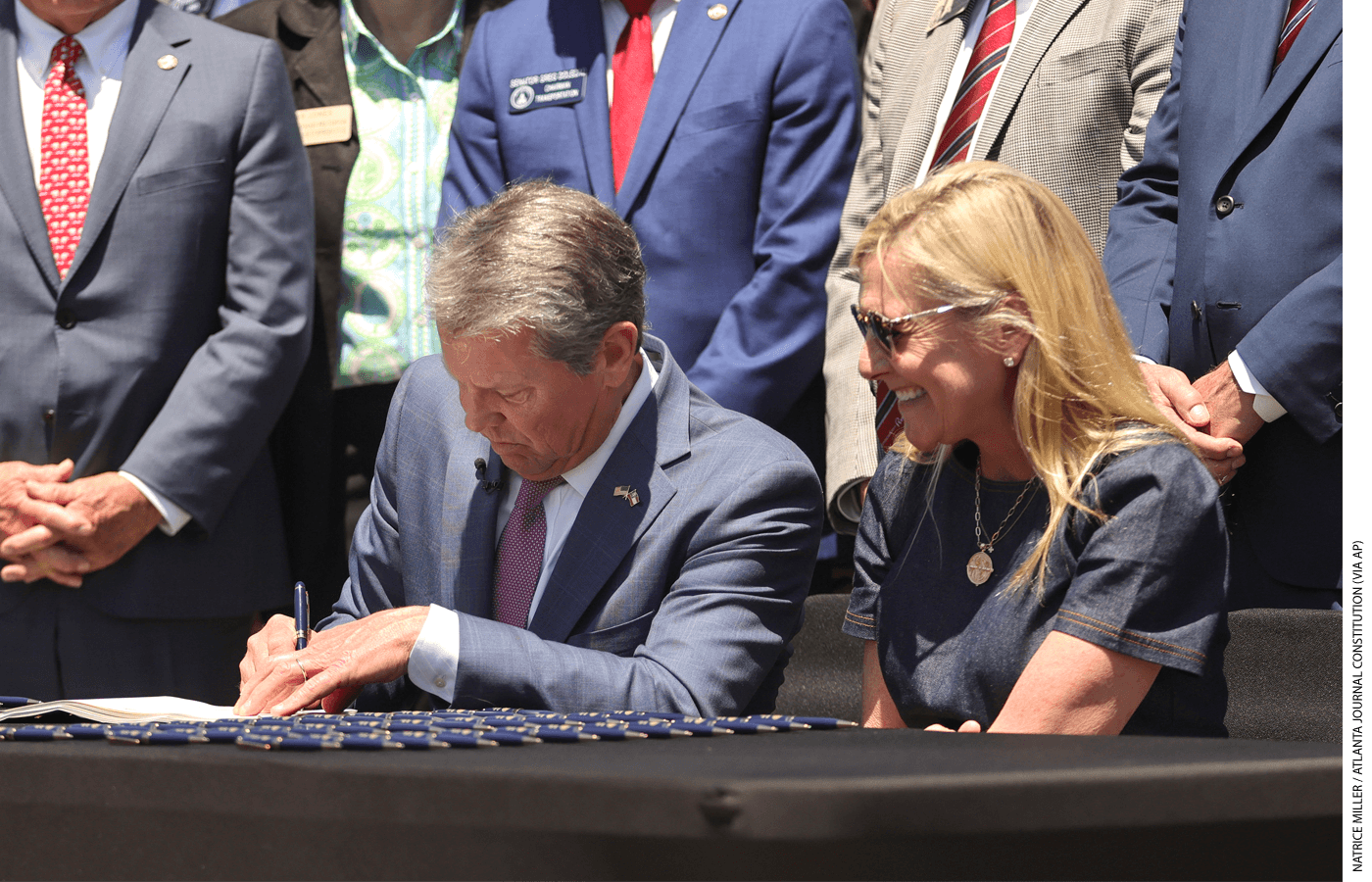
Georgia’s Promise Scholarship provides $6,500 per student per year. The average per-pupil expenditure in Georgia’s public schools in 2023 exceeded $13,000, according to the Education Law Center, and many districts—especially those serving high concentrations of low-income students—would tell you that still falls short of what they need.
In a nutshell, we are allowing private schools, many of them small and under-capitalized, to serve students with the greatest needs at a funding level that is barely half of what public schools receive—and that many public schools still find inadequate. Even worse, we are doing this without requiring those private schools to honor the federal protections that public schools are legally bound to uphold.
There is an accountability paradox at the heart of this program that doesn’t get discussed honestly. In some states, not including Georgia, private schools accepting ESA funds are not required to publicly report student performance data. With no test scores nor any objective, standardized measurement of student outcomes, there’s no way for families—or policymakers—to know how much students are learning or if the program is working.
ESA supporters will argue that parental choice is its own form of accountability: Parents who see their children failing will pull them out. I have too much respect for the families this program is supposed to serve to accept that argument. Many parents choose to send their children to private school out of concerns for their safety or to otherwise cater to their child’s specific needs that traditional public school wasn’t meeting—an impulse any parent would understand. But ensuring these students receive a high-quality education while having their broader needs met should largely be the responsibility of education leaders and policymakers—not something we place solely on individual families. Parents with children in traditional public, public charter, and private schools are often seeing As on report cards. They can’t make informed decisions without more reliable and transparent data on outcomes. We apply this logic to public schools; we should apply it to private schools as well.
The accountability logic also runs into a wall of its own making. The principal spoke bluntly about this: If the state mandated similar accountability requirements—required private schools to honor IEPs, to report outcomes, to meet the same standards we hold public institutions to—most participating schools would simply stop accepting scholarship students. The economics would not work for them. The accountability apparatus, in other words, would collapse the program.
That is not a design flaw that can be fixed with better guardrails. That is a structural contradiction at the core of the model.
Who This Program Is Actually Reaching
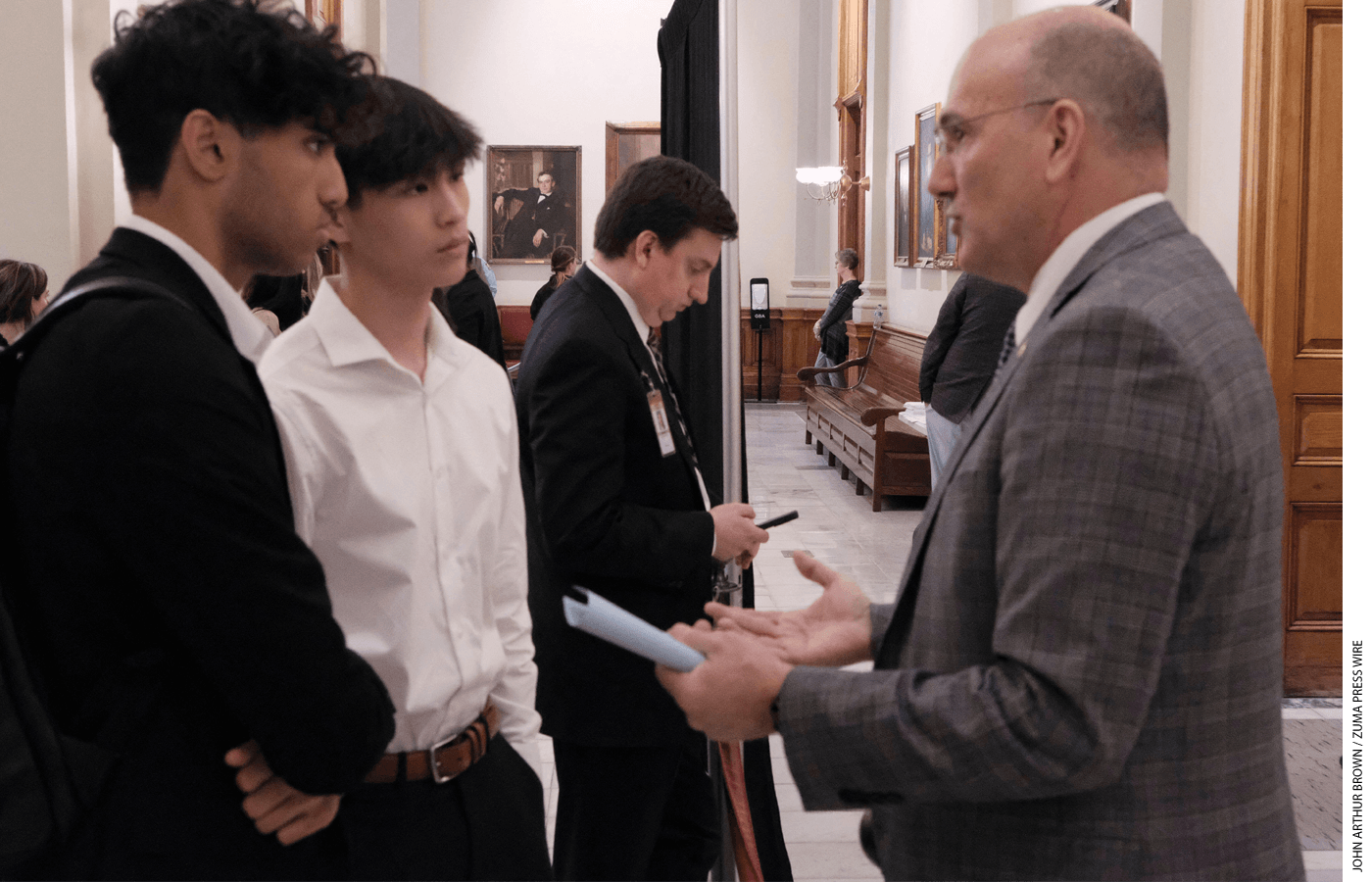
ESAs were sold as a rescue for children trapped in failing schools—a way to give underserved families the same options that wealthier families take for granted. As a state legislator for 12 years, I represented a district in South Cobb, an area in metropolitan Atlanta that includes many of the schools that qualified under the Promise Scholarship’s criteria. These were exactly the families the program, by its own stated logic, was designed to help.
But as the program was rolled out, began accepting applications, then closed at the deadline, the families in this district and others had no idea the program existed.
I heard this not once, but repeatedly—from community advocates, from educators, from parents themselves in different parts of the state. Families whose children were enrolled in qualifying schools had received no information: no flyer, no community meeting, no meaningful outreach. Not one of them had heard of it. Meanwhile, families who were already paying private school tuition—who had the networks, the know-how, and the time to navigate a new state program—knew exactly how to apply.
The participation data reflect this. In its first two application windows, Georgia’s Promise Scholarship received roughly 15,000 applications, of which about 8,600 students qualified and were approved—out of the state-authorized capacity of 22,000 slots. The program was running at less than 40 percent of its funded capacity. Its advocates argued this proved the criteria were too restrictive. But the right question isn’t why so few families qualified; the right question is, among those who did apply and receive awards, how many were children attending schools in the bottom quartile of the quality rankings, the children that the program was designed to rescue? Because if you build a program explicitly for students in failing schools, and those students don’t know it exists, you haven’t expanded education freedom—you’ve just built a government subsidy for families who were already choosing private schools. Nationally, the pattern is consistent: In at least nine states with established ESA or voucher programs, fewer than one-third of program funds go to students who previously attended public schools, according to Education Week. The majority of recipients were already attending private schools before the public money arrived.
This is the fundamental problem with market-based approaches to education equity: Markets work best for people who already have resources. For everyone else, the gaps—in information, in finances, in navigating bureaucratic systems—are not features to be optimized away. They are the whole ballgame.
The Bigger Picture: When Policy Energy Goes the Wrong Way
I want to be clear: I am not arguing against school choice—far from it. I am arguing that ESAs, as designed, do not amount to school choice in any meaningful sense for the families who need it most. They provide a funding mechanism that redirects public dollars into private institutions without public accountability, without sufficient resources to serve high-need students, and without the outreach infrastructure to reach the communities they purport to help.
And this is happening at the worst possible moment.
The federal government is in the process of dismantling the Department of Education. In April, the proposed federal budget for fiscal year 2027 slashed 3 percent of the department’s funding, including $8.5 billion in cuts for K–12 programs. The Individuals with Disabilities Education Act (IDEA), which supports students with disabilities, is chronically underfunded and is in the process of being transferred out of the Department of Education. The federal commitment to public education that has existed for decades is being rolled back, piece by piece.
Against that backdrop, the wave of state ESA legislation sweeping the country is not a counterweight to federal divestment. It is another signal—to the 90 percent of American children who still attend public schools—that their government no longer sees their academic achievement as a top priority. Georgia provides a lesson here. For years, the state has passed piecemeal literacy legislation that produced minimal results—multiple state agencies delivering coaching programs that haven’t connected to each other, no sustained commitment from state leaders, no clear commitment to funding the implementation. Today, only about 30 percent of Georgia’s 4th graders are reading proficiently, according to NAEP data. And yet the policy that generated the most legislative energy and political capital in recent years was not something designed to address that—it was passage of an ESA program. Georgia legislators finally passed a more comprehensive bill during the 2026 session. But students in those 4th-grade classrooms waited too long for that attention.
Georgia has since opted in to the federal ESA program while we await the rules and guidelines for how the program will work.
I want to address directly a question I know will be raised: “If I support charter schools, aren’t I agreeing with ESA supporters who say school choice isn’t about taking money from public education but about having the money follow the child?” The answer is no—and the distinction matters deeply. Charter schools are public schools. They are created by public law, governed by public accountability structures, legally obligated to honor IEPs, and required to report student performance data. When a child attends a charter school, they remain within the public system—with its protections, its obligations, and its promise to every child. ESA dollars go to private institutions that carry none of those obligations. Public dollars and a school choice label do not, by themselves, make a program accountable to the public. And accountability to the public is exactly what this is about.
Investing in What Works: Public Education
I believe in public education. Not as a last resort, or as the option families are stuck with when nothing else is available. I believe in it as one of the most powerful, equalizing institutions of our democracy. That is worth fighting for.
And there is real evidence of what public education looks like when we fight for it. Public charter schools, when properly authorized and held accountable, have produced meaningful gains for students in some of the most challenging communities in the country. So have magnet programs, intradistrict transfer policies, and strong neighborhood schools with adequate resources. These models were built on the premise that the system should work for families—not the other way around. No tuition gap. No turning away a child because her IEP is too complicated. These are the types of models we have seen work.
The school choice movement was built on a serious moral argument: that a child’s zip code shouldn’t determine her future, and that Black and brown children and those from working families deserve the same access to a great education that wealthy, mainly white families have always been able to purchase. I have staked my career on that argument, I have cast votes for it, I have fought for it on the floor of the Georgia General Assembly, and I have seen what it looks like when it works.
ESAs, as they are being implemented, do not qualify as school choice—not for the children this program was designed to reach. The funding isn’t there. The accountability isn’t there. The outreach isn’t there. And the schools willing to take the scholarship are, too often, the schools that need the revenue—not the ones with the resources to effectively deliver. We can dress that up in the language of freedom and choice, but the kids in Georgia’s and this nation’s lowest-performing schools deserve more than language. They deserve a system that was built to serve them. This is the driving force behind why I co-founded Center for Strong Public Schools.
Public education, at its best, is that system. Our job—as policymakers, as advocates, as people who work on behalf of children—is to create a world-class system. That’s what every child deserves.

Alisha Thomas Searcy is co-founder and CEO of the Center for Strong Public Schools and a former Georgia state legislator. She is a former charter school leader and superintendent and longtime advocate for public education. She has spent her career working to expand educational opportunities and strengthen public schools.
ESAs: Necessary—and Insufficient
by Ashley Rogers Berner

In the late 19th century, K–12 school systems in the United States took two wrong turns that brought negative consequences to families and kids. First, state legislatures voted to defund non-district schools (a structural problem); second, the education establishment opted to promote process and skills instead of the liberal arts (a content problem). The former decision diminished parents’ role in their children’s schooling. The latter removed one of the most powerful levers for supporting student success. Both decisions were highly contested at the time. Both departed from historical practice and international norms.
However, as years passed, the “uniform” public school (a term used in many state constitutions) and the empty curriculum (“learning how to learn”) became fixtures of U.S. education. We forgot what educational pluralism, or state funding for diverse schools and commensurate oversight of academic quality, meant to parents, and what it accomplished for young people. As a result, our citizens came to identify “public education” with the assignment of students to their local district school—leaving low- and middle-income families without the education options available to the rich, who could enroll their children in private schools or move to the affluent suburbs. Just as devastating, parents and teachers became accustomed to a lack of academic content which, as charted by Diane Ravitch and E. D. Hirsch, resulted in an ever-more simplistic classroom and flat achievement. Below, I explain why Education Savings Accounts remedy the first, but not necessarily the second, 19th-century mistake. I devote more discussion to the second mistake, since I have long made the case for pluralistic solutions to the first.
How ESAs Fix the Structural Problem . . .
ESAs directly reverse the structural problem of American education—the inequity of assigning students by their place of residence to a single education provider. ESAs are the most recent addition to the panoply of options (charter schools, tax credits, vouchers) which, since the 1990s, have chipped away at the inherent inequality associated with residential assignment. Between 2011 and 2025, the number of ESA programs grew from only 1 to 18 (or 19, if one counts all legislated programs, not only those that have launched). While the majority are “universal” programs, meaning there is in principle no exception to a student’s eligibility, most have tiered eligibility that prioritizes students who are from low-income households or have special needs. For the first time since the 1870s, then, some states have made it conceptually possible for every parent within its boundaries to choose where, when, and how their child goes to school.
The most compelling reason to support ESAs and other choice mechanisms is that the opposite, a district-school-only approach, is unfair to low-income families. There are a thousand reasons why a particular school may not work for a given child—reasons related to the school’s size, proximity, extracurricular activities, pedagogical focus, explicit values, or other factors. Wealthier families can do something about it, but low-income families can’t. Advocates of pluralistic solutions—whether from the left or from the right—have long objected to the common school model on precisely these grounds. Nor is this inequity soluble by increased funding for district schools; it inheres in the very structure of monopolistic governance (the public school district) and a controlled supply of schools based on geography.
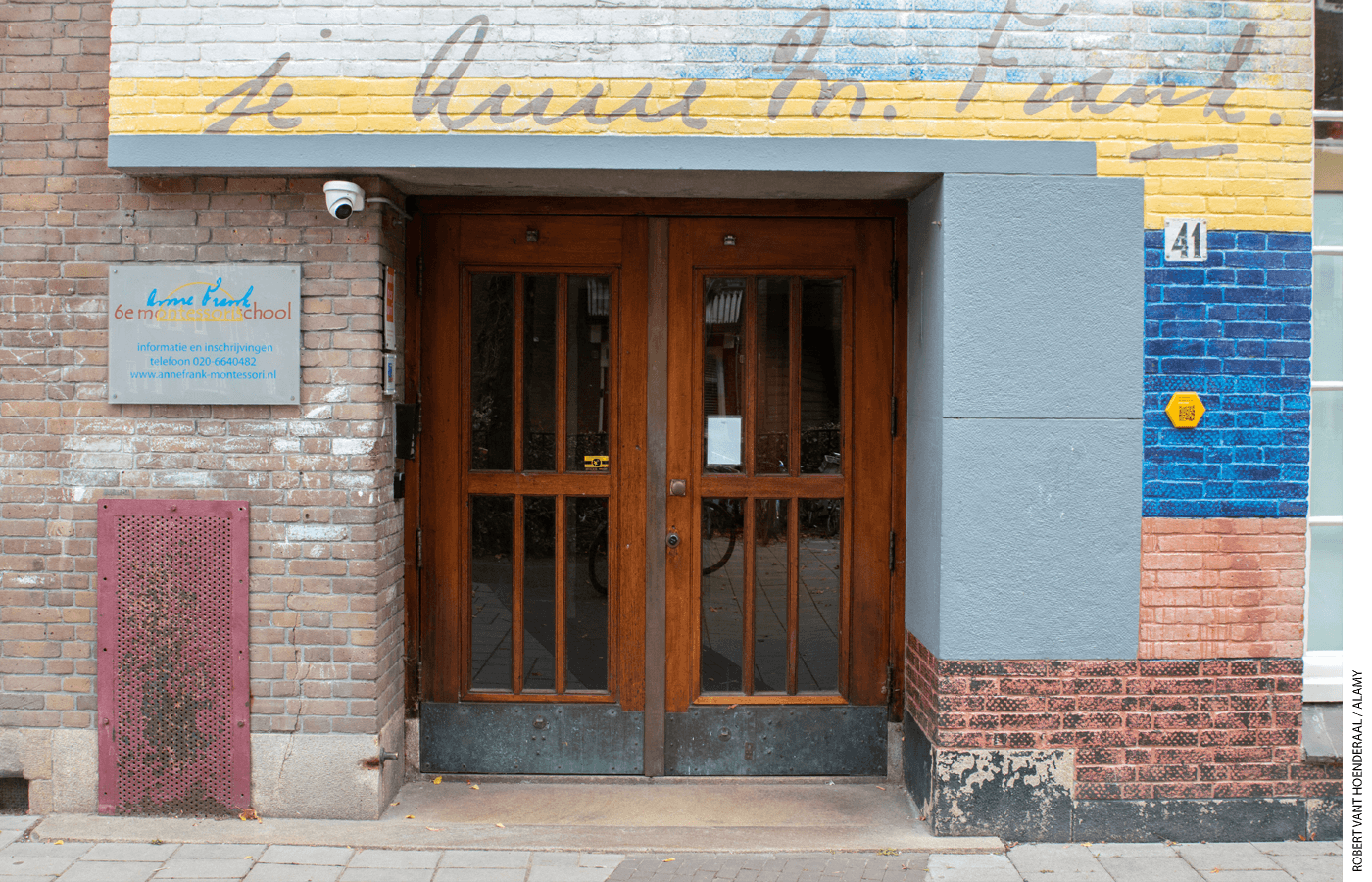
The district-school-only model also runs contrary to the practices of 80 percent of the world’s school systems (from Stockholm to Ludhiana, Paris to Lagos), most of which provide funding for families to attend non-state schools. The Netherlands funds 36 kinds of schools (including, for example, Montessori, Jewish, secular) on equal footing, and all of them are evaluated on the same academic criteria. Australia’s federal government is the top funder of tuition to private schools, many of whose students come from the country’s lowest economic quartile. Countries as dissimilar as Colombia, Pakistan, and Nigeria bring varied providers (nonprofit, private, civil society) into the delivery of education. This is also true of many provinces within our neighbor to the north.
Furthermore, the academic record of non-state schools is generally positive. Students attending private schools around the world and charter schools in the United States typically demonstrate higher academic achievement and civic capacities than students in state-run schools, even after controlling for family background. We don’t yet have sufficient research on micro- or homeschools in the United States to quantify their effect, but reporting on impoverished areas of the world shows that parent-directed models have had significant success.
ESAs and other choice mechanisms thus address the first issue that plagues U.S. schools and help move the country toward international norms of education pluralism. For this reason, I support them.
. . . But Don’t Address the Content Problem
Despite their merits, ESAs on their own do not address the second malady of American education: a lack of academic rigor that holds many young people back from opportunity and civic readiness.
Two factors account for this. First, unlike vouchers, which typically fund private school tuition, most ESAs are designed to facilitate a mix-and-match approach to instruction—so-called “unbundling”—in which parents (approximately 10 to 15 percent of ESA participants so far) may curate their child’s education from a long list of approved providers and vendors. What counts as “approved” differs between states; in Arizona, the state government’s list of approved purchases in 2023 included an inflatable bounce castle, a home freezer, a Tonal home exercise gym, and a hairdryer for dogs—whereas Mississippi limits annual spending on supplies to $50. The variability inherent in this personalized approach means that ESAs may work well for some families but not others.
The more momentous factor is that ESAs do not help reset the expectations of U.S. education—which desperately need leveling up. The 2024 National Assessment of Educational Progress (NAEP) testing found that only 31 percent of 4th graders and 28 percent of 8th graders could read proficiently, and math results were just as alarming. Given this, and the knowledge gaps we see among adults (a full 30 percent of U.S. adults could not name all three branches of government, an Annenberg study found), failing to address the crisis of academic quality means that ESAs will not likely generate opportunity at scale. Nor would we know if they did, since student outcomes aren’t reported publicly in most ESA states—even in the aggregate.
However, the very legislative environments that support ESAs, tax credits, and vouchers could set the stage for academic success across all school sectors. This would entail passing laws and regulations that clearly and openly monitor students’ outcomes via testing and creating new types of tests that focus on content mastery rather than disaggregated skills. Here’s why states should do that and how they could.
Why Academic Quality Matters
The primary reason for state governments to assess student outcomes is that our democracy has high aims for publicly funded education. Why do we tax people to fund the education of other people’s children? To create academic and economic opportunity and prepare the next generation of democratic citizens. The end is an educated citizenry, which requires shared knowledge and common reference points from the core subjects. How will we know if we’ve hit the aim if we don’t assess academic outcomes? Our laws and our courts have reinforced this responsibility even for schools that don’t receive public funding.
For instance, in Pierce v. Society of Sisters (1925), the Supreme Court affirmed parental rights in majestic terms, while also noting the corresponding public interest in the quality and content of private schools and therefore the “power of the State reasonably to regulate all schools, to inspect, supervise and examine them.” And when it struck down the racially discriminatory admissions policy of a private school in Virginia (Runyon v. McCrary, 1976), the court wrote that parents “have no constitutional right to provide their children with private school education unfettered by reasonable government regulation.” The court did not endorse assessments, per se, as the ideal regulatory strategy—but monitoring academic outcomes remains the least invasive way to track student success. (The United States has not seen school inspections at scale since the late 19th century; they are expensive and, if required of all funded models, would discourage the participation of high-quality independent schools.)
Why not just let parental satisfaction be the measure of academic quality? Because education isn’t just about parents. Parents matter, of course, but theirs is not the only interest. Unlike the consumer market, where the individual decides what kind of jeans or car to buy, education is a collective endeavor that has long-term democratic and economic implications. It matters to me that your children know how to read; it matters to you that my children understand how democracies function. Think about Alexis de Tocqueville’s description of a healthy balance between individuals, the state, and civil society. The structure of American education skewed ill-advisedly toward the state for more than a hundred years (problem #1), but this does not mean we should swing wholeheartedly to the side of the individual and cast common purpose to the wind. There is simply too much at stake.
And parents themselves have in recent years been misled by inflated grades and rising graduation rates, despite their children’s low performance on objective measures of student learning. As but one example, in the wake of Covid-19 one study found that 64 percent of teachers thought students had learned less that year than in pre-pandemic years—but only 24 percent of parents thought so, and a full 42 percent of parents thought their children had learned more.
Truth-telling about actual achievement levels is therefore a painful but necessary step toward serving parents, students, and the general public—which foots the bill.

How to Address Structure and Content Maladies Simultaneously
So how can states provide clear signals to the public about academic quality while also affirming the rights of parents? How should ESA programs be crafted to induce high-quality private schools to participate without fear of compromising their distinctive values? Moreover, how can state education agencies rebuild the trust they have rightly lost as a result of their focus on compliance-oriented pedagogy and reliance on skills-based tests to assess student learning—strategies that have not even come close to closing achievement gaps?
I recommend five policy moves that could support innovation, avoid undue regulation, and make academic excellence more likely in states with ESAs and other choice programs.
First lever: assessment reporting requirements. In the short term, every state that authorizes ESAs should require that participants take either the state test or nationally normed tests and that the results be reported to the state. This would constitute a minor change for ESA programs such as Texas’s, which requires testing but not reporting—except to Odyssey, the vendor chosen by the state to implement the program. The choice programs in Indiana, Arkansas, and Louisiana are exemplars of public reporting done well; test results are collected and provided (in the aggregate) to the public.
Second lever: knowledge-building assessments. Policymakers could set the bar much higher by additionally enabling access to a menu of knowledge-aligned assessments—particularly in English language arts and social studies. In ELA, such new testing models could match up with four or five commonly used curricula, and in social studies, assessments could gauge understanding of key areas of content knowledge required in each grade or grade band.
High-performing systems around the world—in the United Kingdom, Alberta, and elsewhere—already pursue content-rich testing policies, with positive academic results. In the United States, former Louisiana state superintendent John White incentivized high-quality curriculum and curriculum-aligned assessments that districts could opt into. Teachers reported that they liked staying focused on rich content in the classroom instead of jumping to skills-based test prep, and the project saw early signs of gap-closures. (Our team at Johns Hopkins University worked on the project, with many others.)
Novel state assessments have been extraordinarily expensive to design and field. They also require waivers from the U.S. Department of Education. But AI is reducing the cost of design and could enable more seamless test-to-test comparability. My colleague David Steiner, executive director of the Johns Hopkins Institute for Education Policy, is leading a project to explore this approach in specific states. He noted recently that a menu of curriculum-integrated ELA tests “would move [us] from a single, curriculum‑blind test to a portfolio of curriculum‑based assessments that shared the same design, each psychometrically robust and comparable at the scale-score level, but anchored in distinct, coherent bodies of content.”
A menu of tests that bolster meaningful knowledge would also appeal to many charter, private, micro- and home-schooling families. Many students at classical high schools already take the Classic Learning Test rather than the ACT or SAT (see “The Classic Learning Test Takes Aim at the SAT–ACT Duopoly,” features, Vol. 26, No. 1). What if families could also choose civics or reading tests aligned to curricula commonly used by private schools and home-schooling families? States might not have to foot the bill on their own; curriculum publishers, who share an interest in high use, could join forces with state agencies to put such options in place.
Third lever: integrated data systems. In the long run, assessing the quality of options available within ESA programs requires student-level data systems that integrate K–12 demographic information, enrollment patterns, academic achievement, postsecondary achievement, and workforce participation. This is especially important in the case of ESAs that allow the “unbundling” approach in which families choose from a list of approved vendors to curate their child’s learning experience. Keeping track of which options parents select, and with what learning outcomes, would allow states to map out patterns of success and failure over time. For instance, what if a particular type of microschool seems to work well for specific kinds of kids? Or if some reading curricula don’t work as well as others in home-schooling contexts? Isn’t this important information that could inform parents’ decisionmaking?
States like Georgia and Texas already have data systems in place for district schools and could expand them to include students in charter, private, and homeschools. Other states, such as Florida, struggle to identify student enrollment in real time. This lack of precision results in unsurprising missteps, such as double payments (for instance, when one child is counted and funded in two different schools or sectors). Fixing the data issue would enable transparency and fiscal accountability.
Fourth lever: curriculum reviews. The sheer number of curricula and ancillary materials on offer can be overwhelming. How can policymakers help the best materials become the most popular? Many states already provide public reviews of curricula and host institutes to encourage teachers to embrace the best ones. They could extend this work to curricula popular in private school, charter school, microschool, and homeschool contexts, drawing on respected third-party evaluations and philanthropic support.
Fifth lever: common-sense parent resources and supports. “Transparency” applies not only to data, but also to the interpretation of data. What are the three best curricular choices for a special needs student? As a parent, if I don’t speak English well myself, how can I distinguish between the available private and charter school options in my neighborhood? Nonprofits are already key here; organizations like FamiliesEmpowered and LoveYourSchool meet parents where they are, in the languages they speak. As education choices expand, parent navigators—trained advisers who guide families in choosing among options—will play a crucial role.
Best Case for ESAs
Some elements of the five levers above, such as integrated data systems, remain solely the province of government. Even in states with an aversion to mandatory testing, a strong data infrastructure could allow patterns in enrollment, materials use, and long-term student outcomes to emerge. Providing at least that level of transparency is a low bar but an important one. Other levers, such as curriculum-aligned assessments, require not only state action but also philanthropic support and possibly for-profit market solutions. Still others, such as curriculum reviews and parent supports, could continue to rely on foundations, universities, and community organizations.
Expanding access to non-state schools, whether through vouchers, tax credits, or ESAs, moves the United States closer to what most democracies take for granted: a mosaic of publicly funded options that meet families’ values and students’ needs. Creating the conditions for academic excellence across all options would in turn help ensure that we reach the aims we have set for publicly funded education: student success, social mobility, and preparation for citizenship in a democracy.
Both school choice and academic quality matter. Both should remain priorities for legislatures in blue, red, and purple states across the country.
Ashley Rogers Berner is director of the Johns Hopkins Institute for Education Policy.
Suggested citation format:
Bathgate, K., Searcy, A., and Rogers Berner, A. (2026). “Education Savings Accounts: Boon or Boondoggle? Three experts debate the effectiveness and sustainability of ESA programs.” Education Next, 26(4), 13 October 2026.
EdNext in your inbox
Sign up for the EdNext Weekly newsletter, and stay up to date with the Daily Digest, delivered straight to your inbox.