


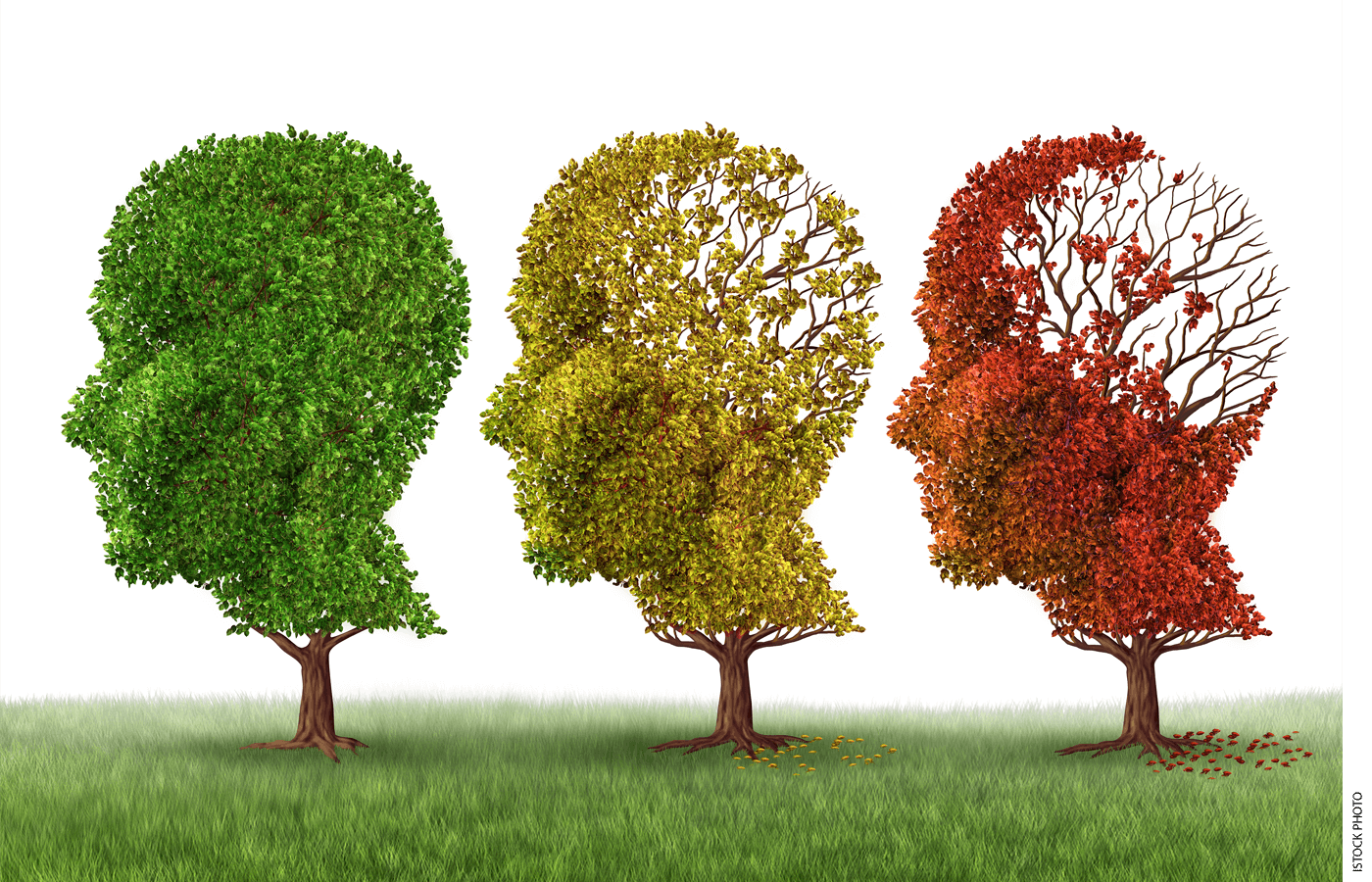
Seen in a certain light, much of today’s education discourse is about memory. Our heated civics debates are arguments over how we want students to remember America’s founding and key events in our history. The “science of reading” requires students to memorize letter sounds and internalize key habits. Traditional math asks that students memorize their way to computational automaticity. Schools of thought ranging from “cultural literacy” to “21st Century Skills” are shaped by their commitment to (or contempt for) students memorizing bodies of knowledge.
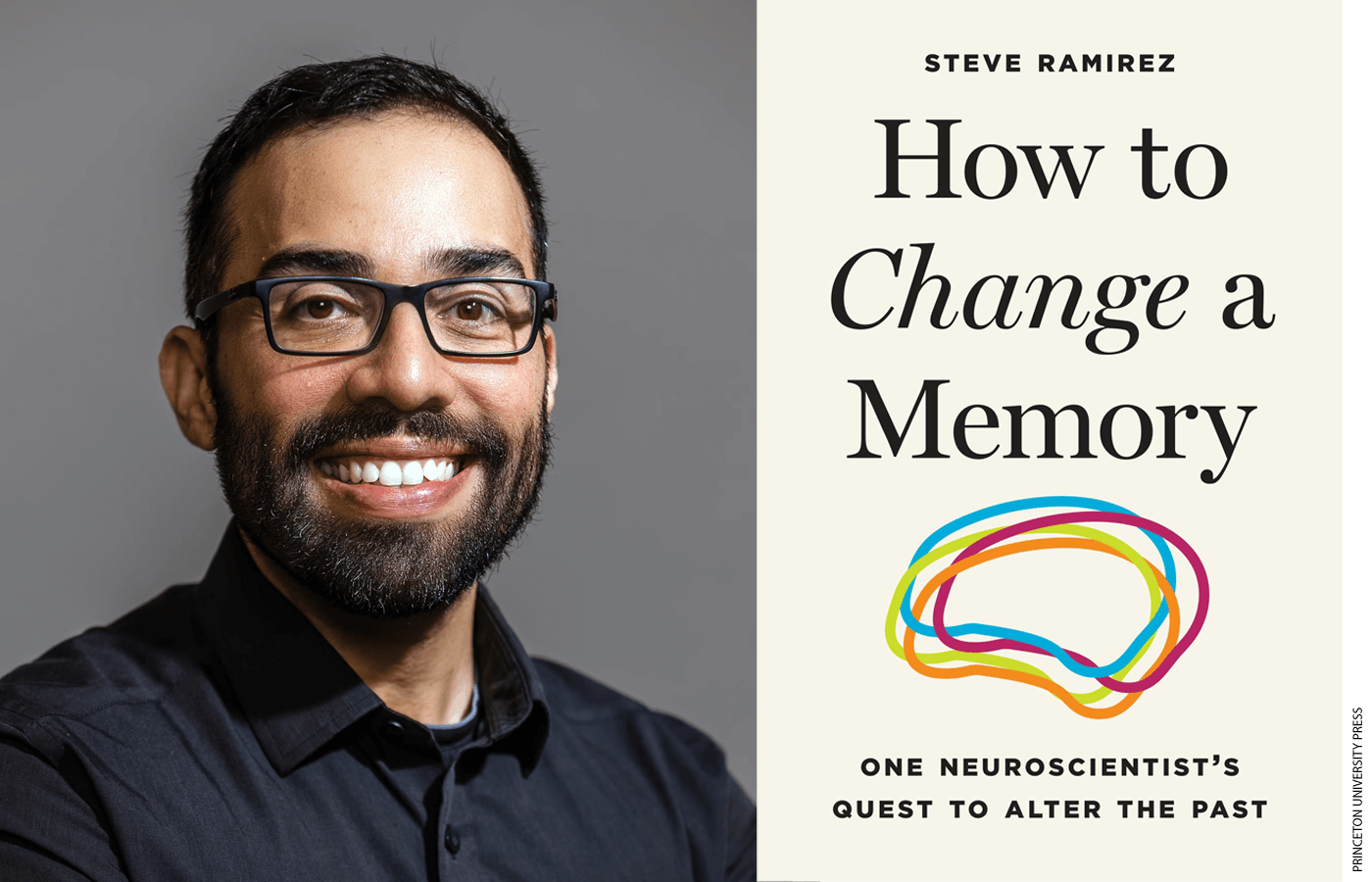
Given all that, I was enticed by Boston University neuroscientist Steve Ramirez’s How to Change a Memory: One Neuroscientist’s Quest to Alter the Past (Princeton 2025). Part personal narrative, part primer on the science of memory, and part exploration of the implications of cutting-edge brain research, it’s an odd but intriguing volume. I was curious to read it in light of ongoing discussions about teaching, learning, misinformation, and classroom technology.

Ramirez is a pioneering brain science researcher whose work explores the ways our memories are fluid, constantly edited, and susceptible to manipulation. Now, he doesn’t talk explicitly about what his research means for education; he’s more intent on its potential applications for neurological conditions like anxiety and addiction. But there’s much in his book that deserves the attention of an education audience.
For those who appreciate responsible public-facing scholarship, Ramirez’s book is a terrific example of a scholar taking the time to break down his research and explain why it’s important. Some of his deep dives into optogenetics and laboratory science can make for tough sledding, but Ramirez infuses his explanations with a heavy dose of personal anecdote and pop culture. We’d all be better off if more brain scientists were willing to explain experimental concepts with plot points from Inception, Bladerunner 2049, and Eternal Sunshine of the Spotless Mind.
Ramirez adeptly uses a scene from Bladerunner 2049 to capture the anguish of someone struggling to distinguish between true and false memories—and to explain how “tagging” amygdala cells with a fluorescent protein helps researchers visualize memory engrams. He uses the plot of Eternal Sunshine of the Spotless Mind to explain the mechanics of a seminal neuroscience paper, “Selective erasure of a fear memory.” The illustrations help concretize the research, even as they illuminate some of its truly dystopian implications.
Having previously shared my concerns with the game-playing and argle-bargle endemic to social science, I found Ramirez’s precise rendering of laboratory science reassuring. From his (wince-inducing) descriptions of performing brain surgery on mice to his effortless summations of a century’s worth of brain science, the attention to detail stands out. For someone used to education research rife with hand-waving and barely concealed agendas, I can see why the methodical discipline imposed by laboratory science is so appealing.
Ramirez emphasizes the astonishing malleability of memory, noting, “Whatever is remembered gets changed . . . memories are rebuilt each time they are called upon.” As an example, he points to 9/11, a day firmly etched into the minds of most Americans born before 1995. We can recall where we were when we heard the news, what we were doing, and watching footage and updates for hours on end. Ramirez notes that such memories are sticky—but tricky:
We’d easily and confidently describe, for instance, watching news outlets replay footage of the first and second plane hitting the World Trade Center. The problem, however, is that the footage of the first plane hitting the North Tower wasn’t readily available until the next day; we installed that new detail into our memories of the day before.
Most relevant for those in education are the implications of this research for our familiar debates about pedagogy and classroom practice. In education today, we talk a lot about cognitive load but not much about the fluidity of memory. Are there strategies that might help students master knowledge in ways that leave them less susceptible to manipulation? Memories encode emotion, which means that positive or negative experiences become part of our very being. That makes K–12 classrooms critical in helping students encode a positive emotional response to reading, learning, and engaging with peers. That would seem to offer a powerful bit of common ground for those focused on rigor and those concerned about student engagement.
Subscribe to Old School with Rick Hess
Get the latest from Rick, delivered straight to your inbox.
As we wrestle with misinformation, bespoke realities, and a fractured media environment, the brain’s tendency to rewrite our sense of the truth looms ever larger. When the scrambling of facts is happening inside our own heads, the problem becomes bigger than just deepfakes. The barrage of narrative claims, memes, and selected videos on the internet that sweep over our perception of society and politics can manipulate our understanding of what “really” happened. When we rely on competing sources of authority or influence, we can internalize different notions of reality. Even after something happens, it turns out that our sense of what’s “true” about it can be rewired. We’ll remember whatever version we settle upon as the incontrovertible “truth.”
How to help students navigate through the constant tsunami of digital stimuli is an extraordinary challenge. The ability to tell fact from fiction, or even to hold firmly to the notion of objective truth, is under pressure in ways that would’ve read like science fiction a generation ago.
When so much academic writing seems bent on intimidation, Ramirez is intent on inviting the reader in. This is a deeply personal work. The narrative is intertwined with tales of Ramirez’s close partnership with his mentor, his heartbreak over his shocking death, and what those bonds teach us about the power of memory. Ultimately, Ramirez makes a compelling case that we are what we remember. It’s a healthy reminder for educators, especially at this moment when everyone is aflutter about all the cognitive work we can hand off to our miraculous machines.
Frederick Hess is an executive editor of Education Next and the author of the blog “Old School with Rick Hess.”